
Designing for the Holidays: A Practical Guide to Creating a Festive and Functional Home
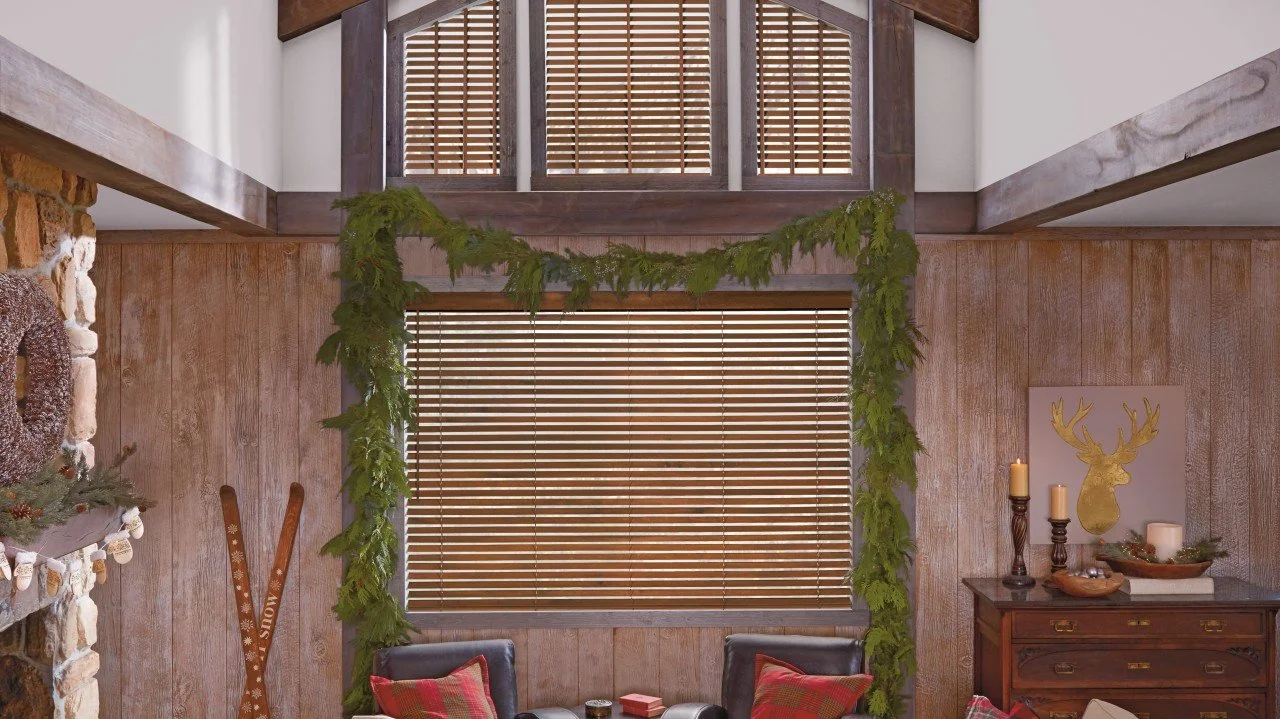
The holiday season presents a unique opportunity to refresh your home, make it more inviting, and create an atmosphere that reflects warmth, celebration, and togetherness. Adding ornaments and hanging lights is only one aspect of holiday decorating; another is making intentional design decisions that improve your space and make every visitor feel better.
Here is a helpful and informative guide, offering practical advice, design principles, and easy steps for designing during the holidays.
Defining Your Holiday Theme
Choosing a theme informs your colour choices, décor style, and overall aesthetic. A theme helps your room appear unified and cohesive, rather than cluttered.
Popular theme ideas include:
Classic Holiday: Red, green, gold; traditional ornaments; warm lighting
Winter Wonderland: Whites, silvers, icy blues; snowflakes; frosted décor
Natural and Rustic: Wood accents, greenery, pinecones, plaid patterns
Modern Minimalist: Neutrals, metallics, clean lines, simple greenery
To tie everything together, choose two or three primary colours and use them throughout the house.
Focus on High-Impact Areas First
Holiday design doesn’t need to take over every corner of your home. Concentrate on the spaces people see and use most.
Key high-impact areas:
Entryway
Living room
Dining area
Fireplace or mantle
Staircase
Kitchen island or table
Your home will feel festive without being overwhelming, if you purposefully decorate these areas.
Use Layers to Create Depth and Warmth
One essential interior design strategy is layering, which works particularly well around the holidays.
Ways to layer during the holidays:
Mix and match different textures (soft blankets, woven baskets, velvet pillows).
Mix décor heights (tall candleholders, medium trees, small accent pieces).
Blend materials like wood, glass, greenery, and metal.
Layering adds dimension and helps your décor feel rich and purposeful.
Include Natural Elements
Nature brings warmth, freshness, and authenticity to holiday design.
Natural décor ideas include:
Fresh or faux garlands
Pine branches and wreaths
Eucalyptus and berries
Pinecones, dried oranges, or cinnamon sticks
Wooden accents and woven textures
These elements work with any style and help soften highly glossy or metallic pieces.
Make Strategic Use of Lighting
Lighting is one of the most important components of holiday decorating.
Types of holiday lighting to consider:
String lights: For trees, mantles, stair railings, and shelving
Candles: Real or LED for warmth
Lanterns: For entrances or cozy corners
Accent lighting: Under cabinets or along windows
Cool-toned lights provide a crisp, wintery look, while warm white lights provide a comforting atmosphere.
Refresh Existing Spaces
Holiday design shouldn’t make your home feel cluttered. Instead of adding more items, consider replacing or rotating your décor.
Examples:
Swap everyday throw pillows for holiday ones
Replace neutral artwork with seasonal prints
Switch table centrepieces to something festive
Use holiday blankets
This keeps your space functional and visually organized.
Balance Décor with Functionality
Holiday gatherings often mean more guests in your home, so your design choices should encourage flow and comfort.
Important functional considerations:
Maintain clear passageways
Avoid blocking seating with large decorations
Ensure lighting isn’t too harsh or too dim
Use décor that won't easily tip over in high-traffic areas
A well-designed holiday space should feel festive and practical.
Establishing Visual Flow
Even if every room doesn’t get full holiday décor, simple accents help create cohesion.
Ideas for subtle, consistent accents:
Matching ribbons on wreaths
Similar fragrances in different rooms
Coordinated throw blankets
Repeating greenery or metallics
This creates a sense of continuity as you move from room to room.
Engage All the Senses
Holiday design works best when it appeals to more than just the eyes.
Sensory elements to include
Scent: Pine, cinnamon, vanilla, or citrus
Texture: Soft fabrics, knits, velvet
Sound: Playlists with holiday music
Taste: A festive snack or drink and cocktail station
Lighting: Warm ambiance
Using multiple senses makes your holiday home feel immersive and memorable.
Include Personal and Meaningful Touches
Design is about emotion and connection, not just beauty. Holidays are the perfect opportunity to spotlight items that matter.
Personal décor ideas:
Family ornaments or heirlooms
Childhood holiday crafts
Family photos from past celebrations
Handmade wreaths or centrepieces
These thoughtful details make your holiday design feel warm, cozy, and authentic.
Designing a Holiday Home with Intention
Holiday decorating is more than adding festive items; it’s an opportunity to thoughtfully enhance your space, create meaningful memories, and set the tone for the season. You can create a festive space that is both aesthetically pleasing and practical by utilizing design features like layering, lighting, natural components, and unified colour schemes.
Whether you prefer a classic Christmas look, a minimalist winter design, or a rustic, natural feel, the goal is the same:
Create a home that feels welcoming, festive, and full of seasonal joy.